


He/Him
Harkeerat

My name is Harkeerat and i am 15, i live in germany and I am a boxer. i want to be succsesful soon and make my parents proud and pay them back all the things they did for me.
About Me

Secondary School (Gymnasium/Realschule)

Class of 06/2028

Sulzbach, Germany
Skills
Interests
My Clubs and Associations

Evoque boxing club
Brands I Follow




Interview Questions
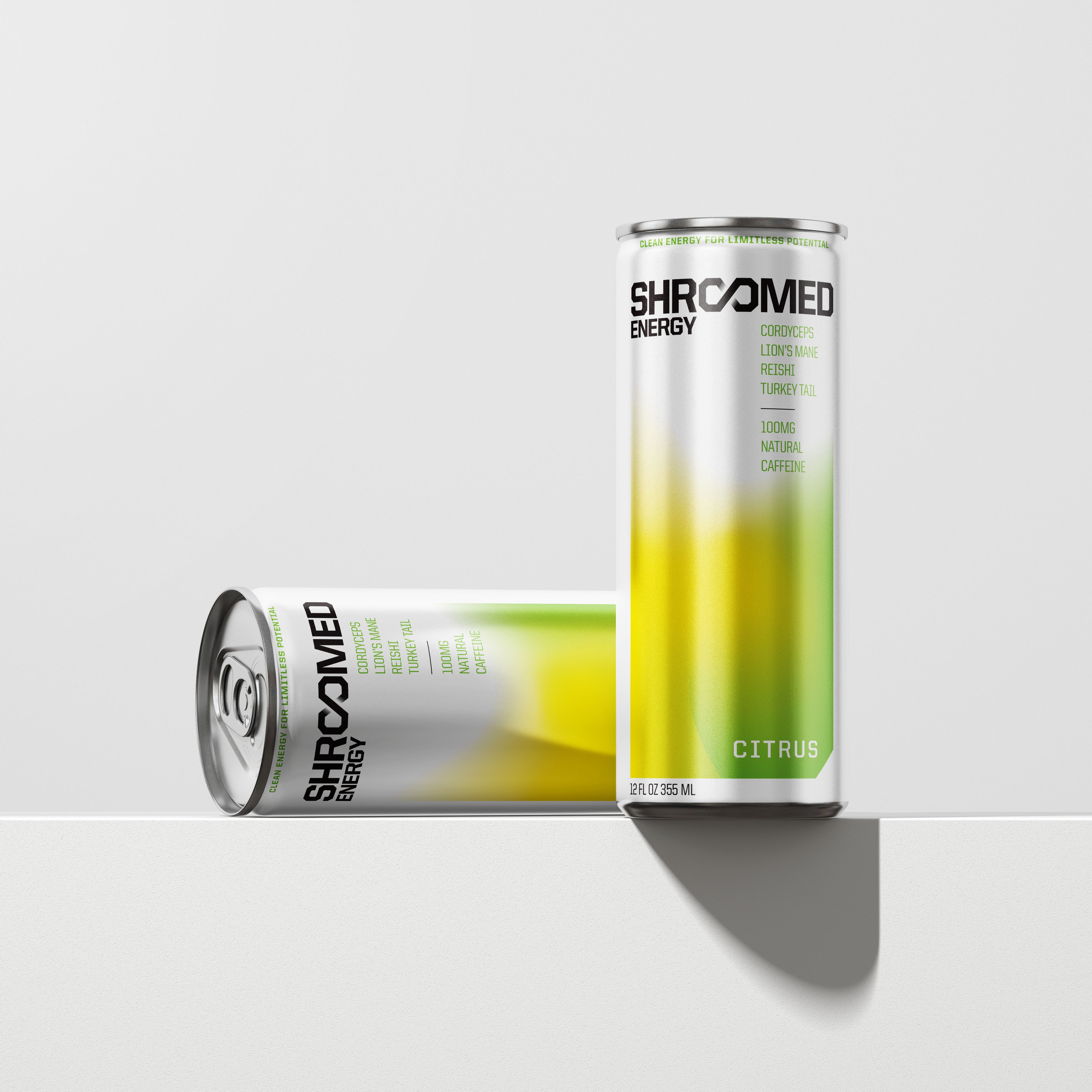
Shroomed Energy
Content Creator for Shroomed Energy
What makes content engaging and authentic for young professionals?
What tends to really land with young professionals is content that feels useful, honest, and personally relevant—not polished for perfection or overloaded with buzzwords. A few key elements make the biggest difference: 1. Real experiences over abstract advice People connect more with “here’s what actually happened when I messed this up” than generic tips. Specific stories build trust fast. 2. Transparency about the messy middle Not just outcomes, but the uncertainty, mistakes, and trade-offs along the way. That “figuring it out as I went” layer is what makes it feel real. 3. Practical value they can use immediately Templates, examples, scripts, checklists, or clear steps beat theory almost every time. 4. A tone that sounds human, not corporate Natural language, slight imperfections, and honest opinions feel more credible than overly polished messaging. 5. Respect for their time and intelligence Clear structure, no fluff, and getting to the point quickly—while still offering depth where it matters. 6. Relatable challenges Things like early-career uncertainty, workload balance, imposter syndrome, or figuring out growth paths tend to resonate strongly. 7. A sense of “you’re not alone in this” Content becomes engaging when it reflects shared experiences rather than speaking from a distant expert position.
Kirra Iced Tea
Social Media Manager + Content Creator

How comfortable are you with creating content and engaging with customers IRL?
I never show my face IRL but i am still comfortable to create content
Kirra Iced Tea
Social Media Manager + Content Creator
How would you create engaging content for a new beverage brand?
To create engaging content for a new beverage brand, I’d focus less on “showing the drink” and more on building moments people want to be part of. Drinks go viral when they’re tied to lifestyle, emotion, and identity—not just taste. Here’s a strong approach: 1) Build a “why this drink exists” story (not just what it is) People don’t connect to “a new sparkling drink”—they connect to: energy, focus, relaxation, confidence, social moments a problem it solves or a feeling it unlocks Example framing: “Made for people who are bored of boring drinks.” 2) Show the drink in real micro-moments Instead of studio shots, show it inside life: grabbing it before a night out studying / working reset moment gym / post-workout reward picnic, park, spontaneous hangouts These make it feel integrated into identity, not just a product. 3) Use “craving triggers” visuals Beverage content performs when it hits sensory cues: condensation on the bottle can opening sound (ASMR-style) slow pour / fizz / close-up bubbles extreme cold / ice clinks This creates instant desire, even without words. 4) Turn it into a social object People share drinks that feel like a statement: “This is my go-to drink now.” “I don’t drink X anymore, I drink this.” “If you know, you know.” You want content that makes it feel like a choice of identity, not just refreshment. 5) Lean into trendable short-form storytelling High-performing formats: “POV: you just found your new favorite drink” “Don’t try this if you like boring drinks” (reverse psychology) “What I bring when I don’t want to show up empty-handed” “3 seconds that changed my drink order forever” Fast hooks, emotional payoff, minimal explanation. If you boil it down: Great beverage content = desire + lifestyle + sensory appeal + social identity Not “here’s our drink,” but: “Here’s how your day feels better with this in it.”